January ‘26 Pick
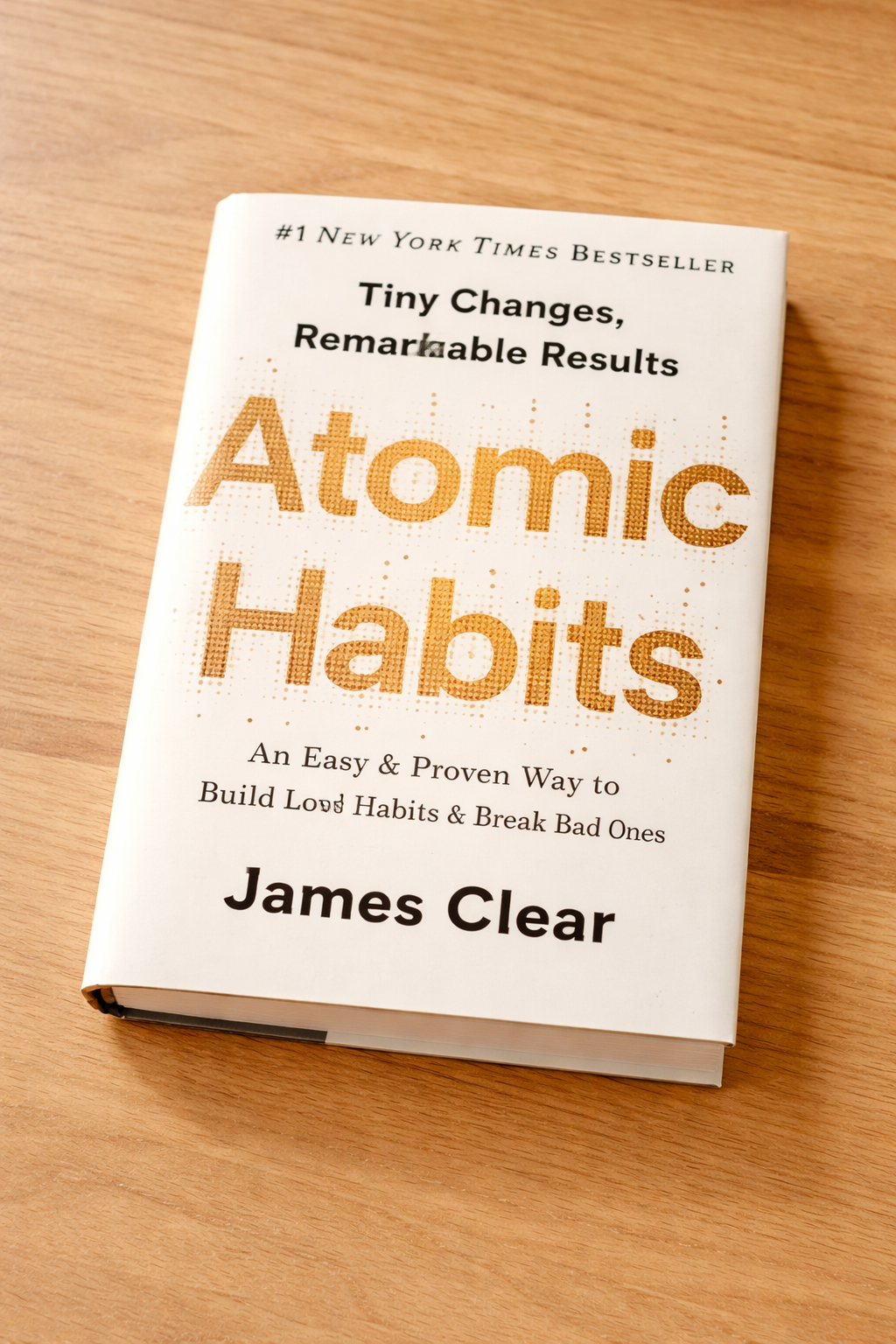
Book Recap: Atomic Habits by James Clear
Atomic Habits is a practical and encouraging guide to creating meaningful change through small, consistent actions. Rather than focusing on dramatic transformations, James Clear shows how tiny habits—when repeated daily—can compound into remarkable results over time. The book explains how habits are formed, why they stick, and how even the smallest shifts in behavior can lead to lasting improvement in health, productivity, relationships, and overall well-being.
Clear introduces a simple, science-backed framework for building good habits and breaking bad ones by focusing on systems instead of goals and identity instead of outcomes. With relatable examples and easy-to-apply strategies, Atomic Habits empowers readers to design their environment for success, stay consistent even when motivation fades, and become the kind of person who naturally lives the habits they want. It’s an uplifting, practical read that reminds us that progress isn’t about perfection—it’s about showing up, one small step at a time.
Get Atomic Habits here:
Week 4 Discussion Questions (Chapters 15–20)
1. Staying Consistent When Life Gets Hard
The final chapters explore what it really takes to stay consistent over time.
What usually knocks you off track, and what strategies or mindset shifts might help you return to your habits without guilt or frustration?
2. Identity & Long-Term Change
This section brings the focus back to identity and becoming the person you want to be.
How has your view of yourself shifted while reading this book, and how might that new identity support lasting change?
3. The Role of Enjoyment
Clear emphasizes that habits should feel satisfying to stick.
Which healthy habits in your life genuinely bring you enjoyment, and how can you design more of your routines around pleasure rather than pressure?
4. Getting Back on Track
These chapters highlight the importance of resilience instead of perfection.
How do you usually respond when you miss a habit or fall off routine — and what would a kinder, more supportive approach look like?
5. Moving Forward
As you finish the book, the focus shifts to sustainable progress.
What is one small habit you feel ready to commit to over the next 30 days — and how can this group help support that commitment?
Week 3 Discussion Questions (Chapters 11–14)
1. Making Habits Feel Easier
These chapters explore how the effort required to do something can make or break consistency.
As you reflect on your own routines, what habit feels harder than it needs to be — and what’s one small tweak that could make it feel more approachable?
2. When Motivation Comes and Goes
Rather than relying on willpower, the focus here is on creating structure that supports you on low-energy days.
How do you usually show up when motivation is low, and what kind of structure or routine might help you stay consistent anyway?
3. The Power of Starting Small
This section reinforces that progress doesn’t require perfection — just a starting point.
Is there a habit you’ve been putting off because it feels overwhelming? What would the “smallest version” of that habit look like for you right now?
4. Noticing Progress (Even When It’s Quiet)
Seeing progress can be a powerful motivator, even when changes are subtle.
How do you personally like to track or acknowledge progress, and where might noticing small wins help you stay encouraged?
5. Building Momentum Together
These chapters remind us that action often creates motivation — not the other way around.
Have you experienced a moment where simply starting led to unexpected momentum? How can our group support each other in taking that first step?
Week 2 Discussion Questions (Chapters 6–10)
1. Motivation vs. Environment
Chapters 6–10 emphasize how much our surroundings influence our habits.
What cues in your environment currently support the habits you want — and which ones might be quietly working against you?
2. Making Habits Obvious
Clear introduces the idea that awareness is the first step to change.
How aware do you feel of your daily habits right now, and which routine might benefit most from simply being noticed before being changed?
3. Desire Drives Behavior
These chapters explore how habits are shaped by cravings and anticipation.
What habits in your life are driven more by emotion or comfort than intention, and how might understanding the “why” behind them change your approach?
4. Attraction Over Willpower
Rather than relying on discipline alone, Clear suggests making habits more appealing.
How could you make a habit you struggle with feel more enjoyable or rewarding without adding pressure or guilt?
5. Culture & Social Influence
The book highlights how much our habits are influenced by the people around us.
How does your social circle shape your habits, and are there any small shifts in influence or community that could better support the person you want to become?
Week 1 Discussion Questions (Chapters 1–5)
1. Identity vs. Outcomes
James Clear emphasizes that lasting change comes from focusing on who you want to become, not just what you want to achieve.
How does this idea challenge the way you’ve traditionally set goals, and what identity might you need to shift to support a habit you’re working on now?
2. Small Changes, Big Impact
The concept of improving just 1% every day is a core theme early in the book.
Where in your life do you tend to overlook small improvements because they don’t feel “big enough,” and how might consistency matter more than intensity in that area?
3. Systems vs. Goals
Clear argues that goals are about results, but systems are about the process.
Can you think of a time when you hit a goal but didn’t sustain the result? What system was missing—or needs to change—to make progress stick?
4. The Plateau of Latent Potential
In the first chapters, Clear explains why progress often feels invisible before it shows up.
How do you usually react when effort doesn’t lead to immediate results, and what helps (or hurts) your ability to stay consistent during that “plateau”?
5. Environment Shapes Behavior
Early in the book, Clear introduces the idea that behavior is often a response to our environment—not motivation alone.
What is one small change you could make to your environment that would make a good habit easier or a bad habit harder?